3D Textured Floral Embroidery Digital: A Designer’s Real-World Review
First Impressions: A Rich, Organic Aesthetic
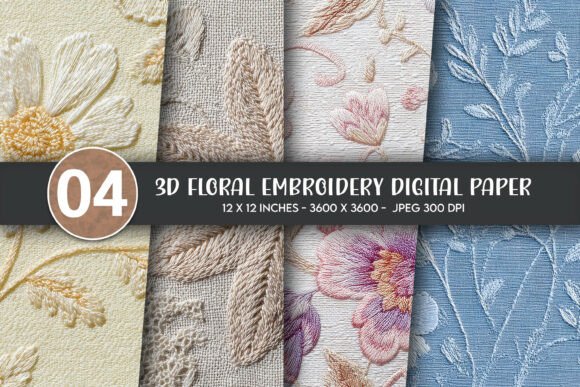
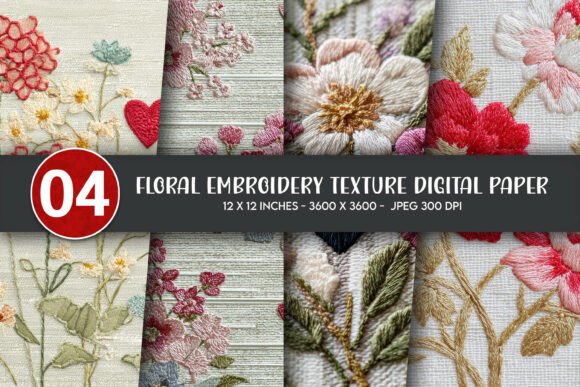
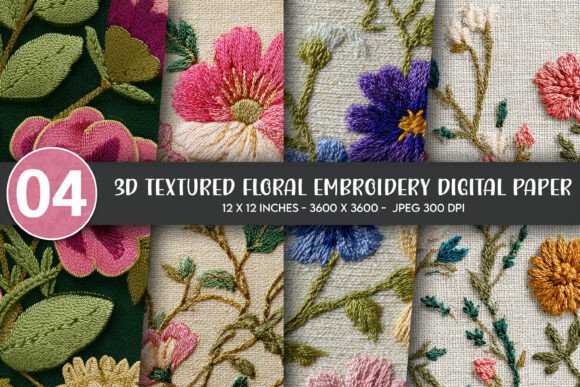
When I first opened the 3D Textured Floral Embroidery Digital file, I was struck by how vivid and dimensional the design looked on screen. It’s a lush arrangement of layered petals, soft leaves, and subtle shadowing that gives the illusion of depth. The texture feels almost tactile, even digitally. It’s the kind of design that immediately suggests warmth and craftsmanship—perfect for handmade items that need a touch of elegance without feeling overly formal.
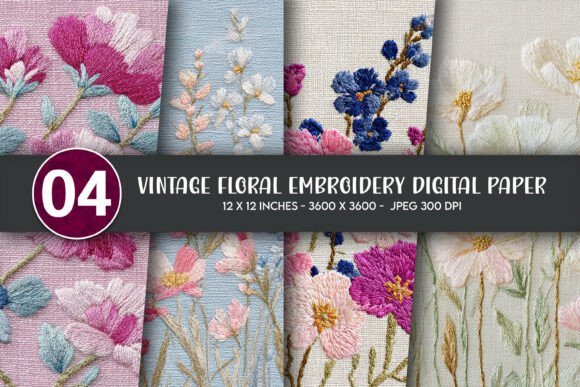
The floral theme is versatile, leaning toward botanical and vintage-inspired styles. It doesn’t scream “holiday” or “seasonal,” which makes it ideal for year-round use in a small shop or Etsy listing. The layout feels balanced, with enough negative space to allow for fabric texture to show through, especially important when translating to embroidery.
Real-World Use: From Tote Bags to Baby Onesies
I decided to test the design on a few different materials I commonly use in client projects and personal craft batches. First up: a natural cotton tote bag. The 3D effect held up beautifully, especially after adding a medium-weight stabilizer underneath. The satin stitch outlines gave a crisp edge to the petals, while the fill stitches created a soft, almost woven look that mimicked hand embroidery.
Next, I tried it on a baby onesie. The stretchy knit required a bit more care with stabilizer placement, but the result was clean and soft against the skin—important for baby items. The texture added a nice visual interest without being too bulky, which can be a concern with layered garments.
I also stitched a smaller version onto a felt patch for a boutique client. The 3D shading translated well even at a reduced size, and the floral motif gave the patch a boutique-style finish that customers responded positively to.
Where It Shines—and Where to Be Cautious
3D Textured Floral Embroidery Digital really comes alive on structured, medium-weight fabrics like cotton canvas, twill, or even felt. It adds a touch of softness to tote bags and throw pillows, and the organic flow of the design works well for nursery decor or personalized gifts like embroidered tea towels.
However, I noticed a few limitations when testing on darker fabrics. The subtle shading in the design doesn’t always stand out as clearly on black or navy backgrounds, especially if thread color contrast is minimal. I had to adjust thread shades manually to ensure visibility, which is a good reminder to always test color combinations before production.
Also, while the texture looks rich, it does come with denser stitch areas. That can be a challenge on stretchy or thin materials like lightweight knits or sheer linens. I’d recommend using a lightweight cutaway stabilizer in those cases and possibly reducing the design’s scale slightly to avoid stiffness.
Design Versatility Across Products
One of the biggest selling points of this design is its adaptability. I used it across several product types:
- Custom Apparel: Worked well on sweatshirts and caps, though I had to adjust placement slightly on curved surfaces like the crown of a baseball hat.
- Personalized Gifts: Perfect for embroidered mugs (using a mug hoop), greeting cards with applique accents, and custom throw pillows.
- Small Business Merchandise: Translated cleanly into embroidered patches and tote bags for boutique branding.
- Seasonal Crafts: I added it to a set of holiday gift tags and nursery wall art with strong customer interest.
It’s a strong contender for digital product sellers looking to bundle embroidery files with printable mockups. The 3D effect makes it stand out in preview images, which helps with buyer engagement on Etsy or other digital marketplaces.
Visual Appeal and Professional Finish
From a visual standpoint, this design elevates the perceived value of handmade products. The texture gives embroidery a more premium, artisanal feel—something customers notice and appreciate, especially in boutique-style items.
It also helps with brand consistency if you're using it across multiple product lines. Whether it’s on a tote bag or a baby blanket, the floral motif maintains a cohesive identity. That’s a big plus for creative entrepreneurs building a recognizable aesthetic.
Stitching clarity is generally good, though I did find a few corners where the detail was slightly compressed. It’s worth checking those areas in your embroidery software before stitching out, especially if you’re working with a smaller hoop size.
Designer Notes: Practical Tips for Using 3D Textured Floral Embroidery Digital
Here are a few things I’d recommend to anyone using this design in their work:
- Test on scrap fabric first, especially if you’re trying a new material or hoop size.
- Check thread color contrast—you may need to adjust shades for visibility on dark or textured fabrics.
- Review stitch density to avoid puckering, especially on thinner or stretchy materials.
- Confirm hoop size compatibility before stitching out on curved or limited-space items like caps or baby bodysuits.
- Inspect small details like leaf veins or petal edges to ensure they stitch cleanly.
- Test in black and white mockups to see how the design reads without color.
- Compare light and dark fabric backgrounds to see how the texture performs in different settings.
- Use the proper stabilizer—cutaway for stretchy fabrics, tear-away for stable weaves.
- Verify licensing before selling finished items or digital products, especially if you’re reselling or bundling.
Final Thoughts: A Solid Addition to Any Embroidery Kit
Overall, 3D Textured Floral Embroidery Digital is a well-designed, flexible embroidery file that works well across a range of products. It’s especially useful for crafters, Etsy sellers, and small business owners looking to add a touch of soft sophistication to their handmade items. The texture gives it a unique edge, and with a bit of attention to fabric and stabilizer choices, it delivers a professional finish every time.
Whether you're creating personalized gifts, boutique apparel, or commercial embroidery projects, this design is worth testing out in your next batch. It brings visual interest without being overwhelming, and it’s adaptable enough to fit into both casual and elevated product lines.